

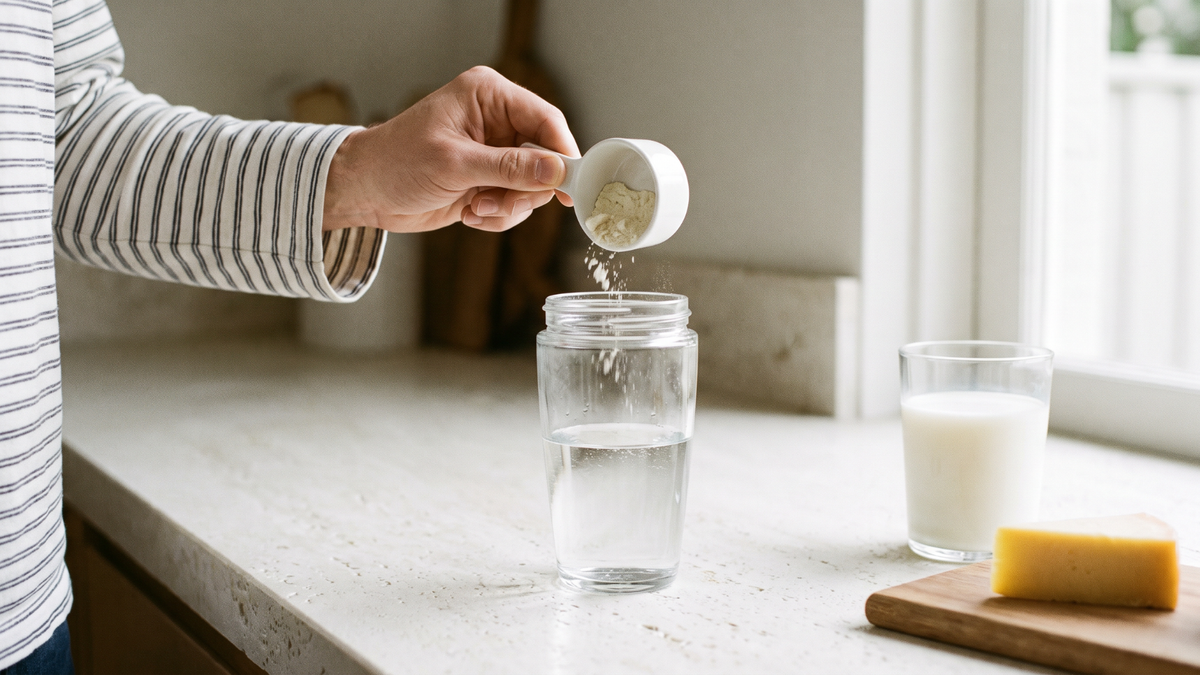
Does Whey Protein Have Lactose? Isolate, Concentrate and the Lactose-Free Options
Yes. Whey comes from milk, so it carries lactose, and the amount depends on the type. In one peer-reviewed analysis a retail whey protein concentrate held 6.7g of lactose per 100g, while three whey...
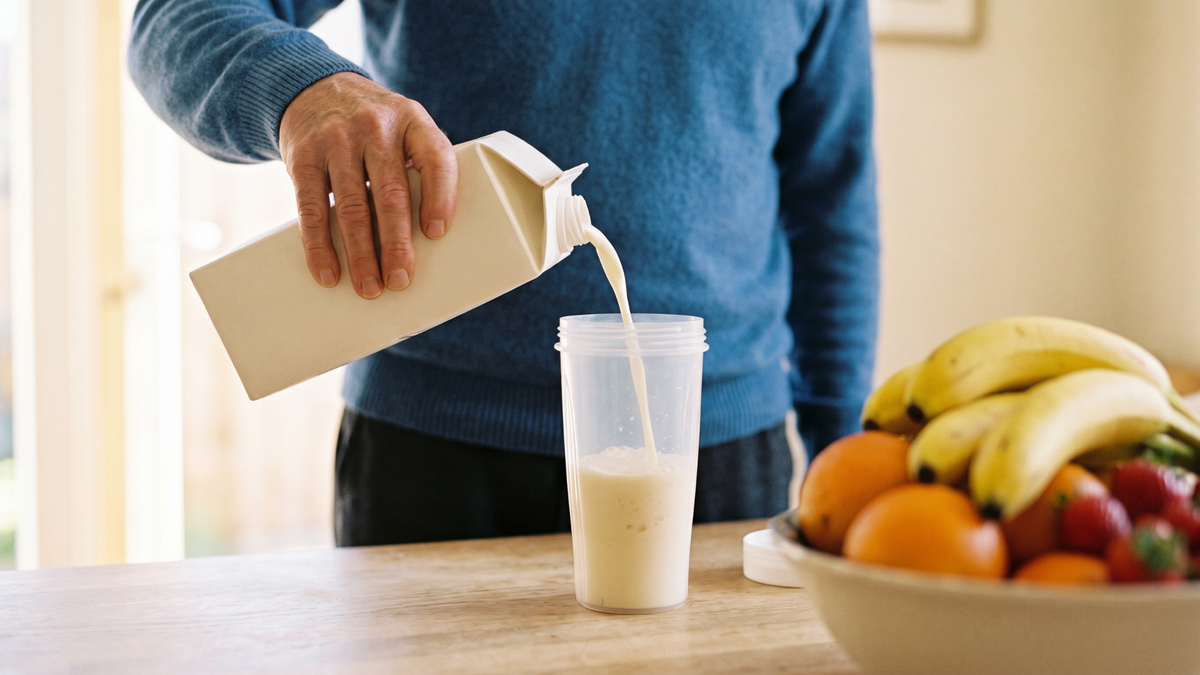
Dairy-Free Protein Shakes: The Options in Australia
There are three ways to drink a dairy-free protein shake in Australia: a plant powder in water, the same powder in a plant milk, or something already bottled. The route decides your protein. Soy mi...
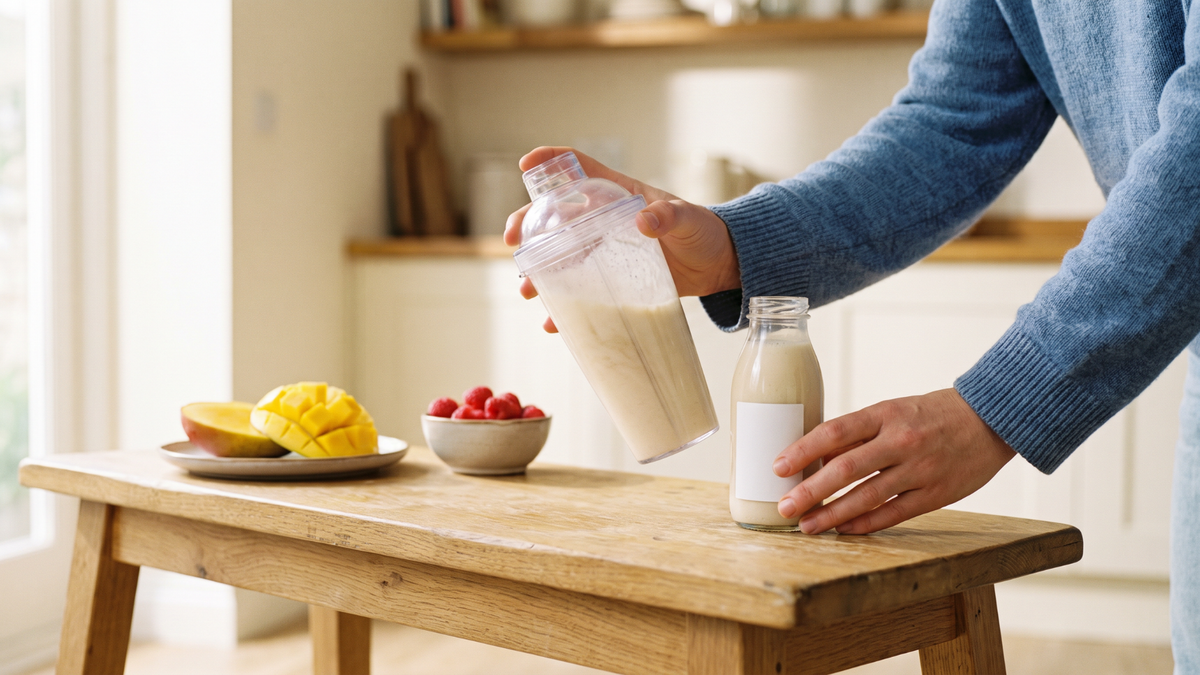
Lactose-Free Protein Shakes: Ready-to-Drink vs Powder, and What to Look For
Both work. Ready-to-drink is the convenient route: the Australian bottle verified for this page lists 30.4g protein and 15.8g sugars per 375mL. Powder mixed with water controls what comes with the ...
Gluten-Free Protein Powder in Australia: A Coeliac-Safe Buyer's Guide
Most protein powders are gluten-free by construction: whey, pea, rice and collagen carry no gluten. The risk sits in flavourings, oat ingredients and shared lines, so the regulated on-pack claim is...
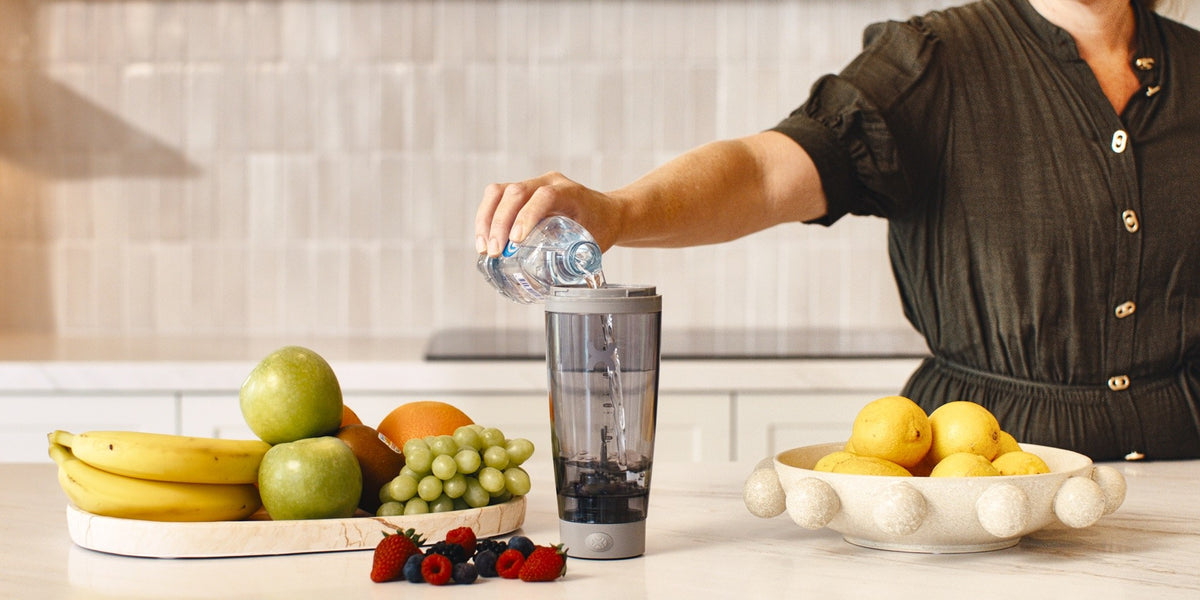
Dairy-Free Protein Powder in Australia: What to Check on the Label (2026)
A dairy-free protein powder contains no whey, casein or milk solids, so the protein comes from plants, collagen or egg. Australia's Food Standards Code defines gluten free and lactose free but not ...
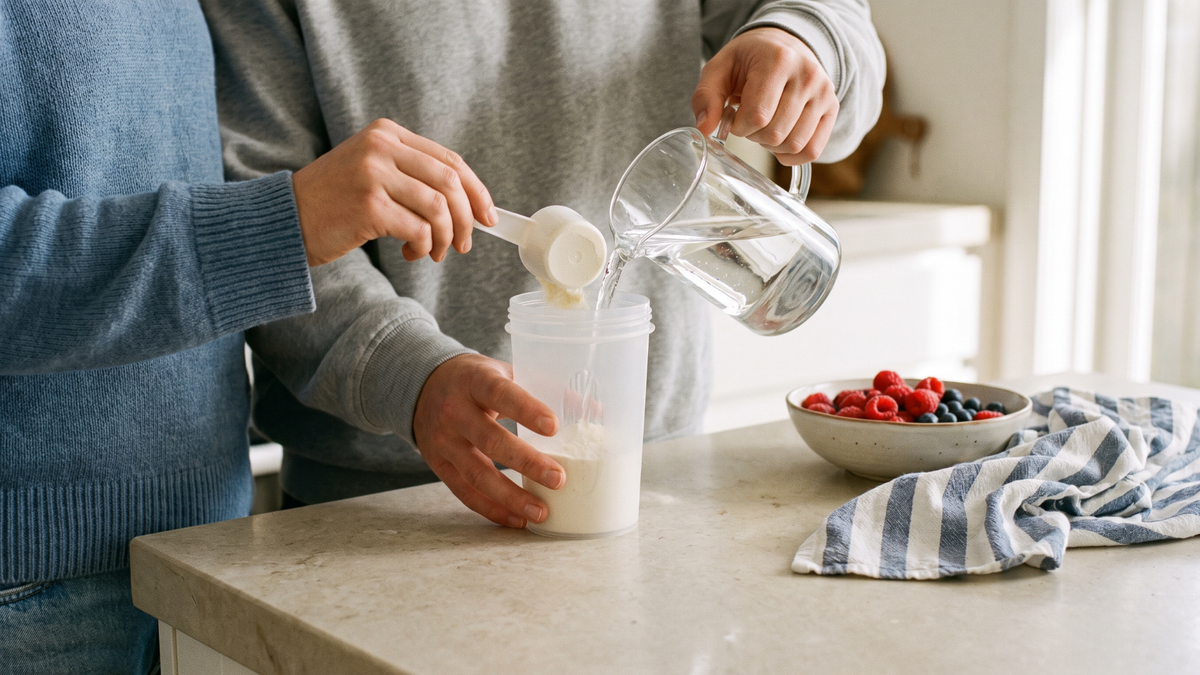
Lactose-Free Protein Powder in Australia: The Buyer's Guide (2026)
Lactose-free means no detectable lactose, the condition Schedule 4 of the Food Standards Code sets for that claim. Whey isolate is low in lactose, not free of it. Plant blends and Formulated Supple...

A Healthy Breakfast On the Go: What Travels and What Doesn't
A healthy breakfast on the go needs at least 10g of protein, 4g of dietary fibre and no added sugar, and it has to survive a bag for a few hours. Hard-boiled eggs, natural yoghurt, oats soaked over...

Longevity Supplements: Separating the Evidence from the Marketing
Most longevity supplements have evidence on blood markers, not healthy years. NMN and NR raise NAD+ in trials. No supplement trial of resveratrol, spermidine or fisetin has improved a human outcome...
Sarcopenia: Muscle Loss With Age, and What Slows It
Sarcopenia is the age-related loss of muscle strength and mass. Under EWGSOP2, grip strength below 27 kg in men or 16 kg in women makes it probable; low muscle mass confirms it. Muscle mass falls a...
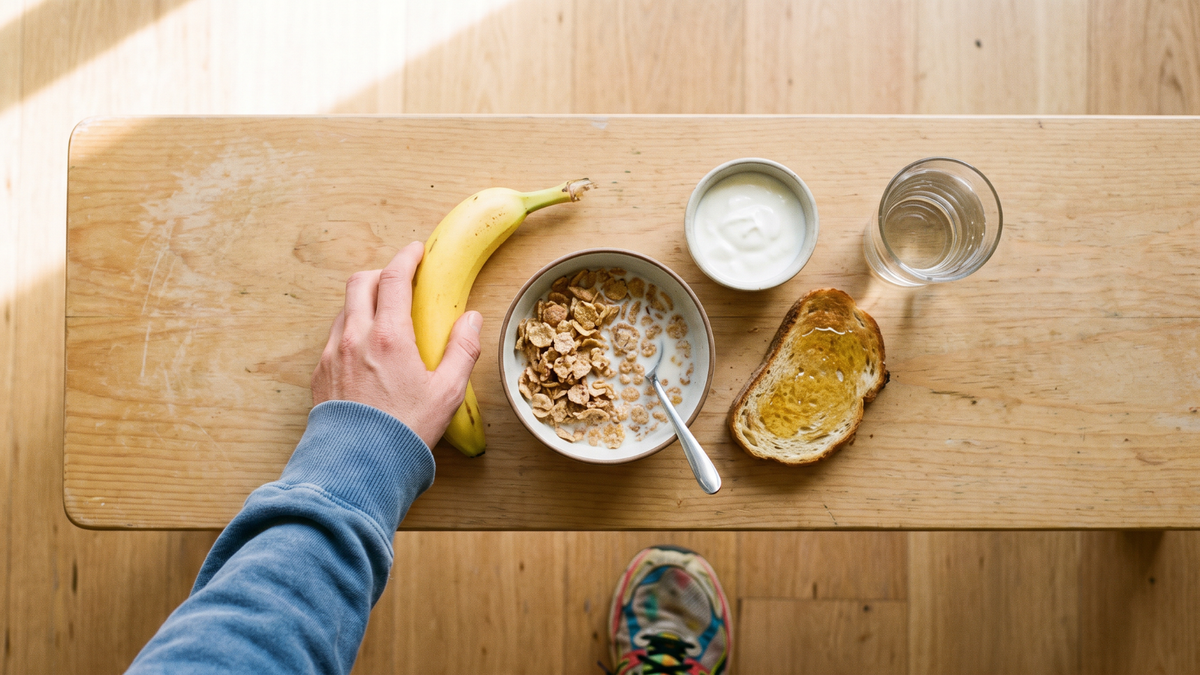
What to Eat Before a Workout (and How Long Before)
A carbohydrate-based meal three to four hours before a workout, or a small carbohydrate snack one to two hours before, with about 500 ml of fluid in the two to four hours prior. Keep high-fat, high...
Social Media - Feed / Partner Posts & Review
"Powered by People. Guided by Insight."
At HLTH+, social media is where real stories meet real impact. It’s how we stay connected to our vibrant community of customers, wellness influencers, practitioners and affiliate partners.
We amplify user-generated content, spotlight everyday health wins, and share behind-the-scenes moments from our partners — from daily rituals and product reviews to transformation journeys and expert tips.