

What Causes Sulphur Burps?
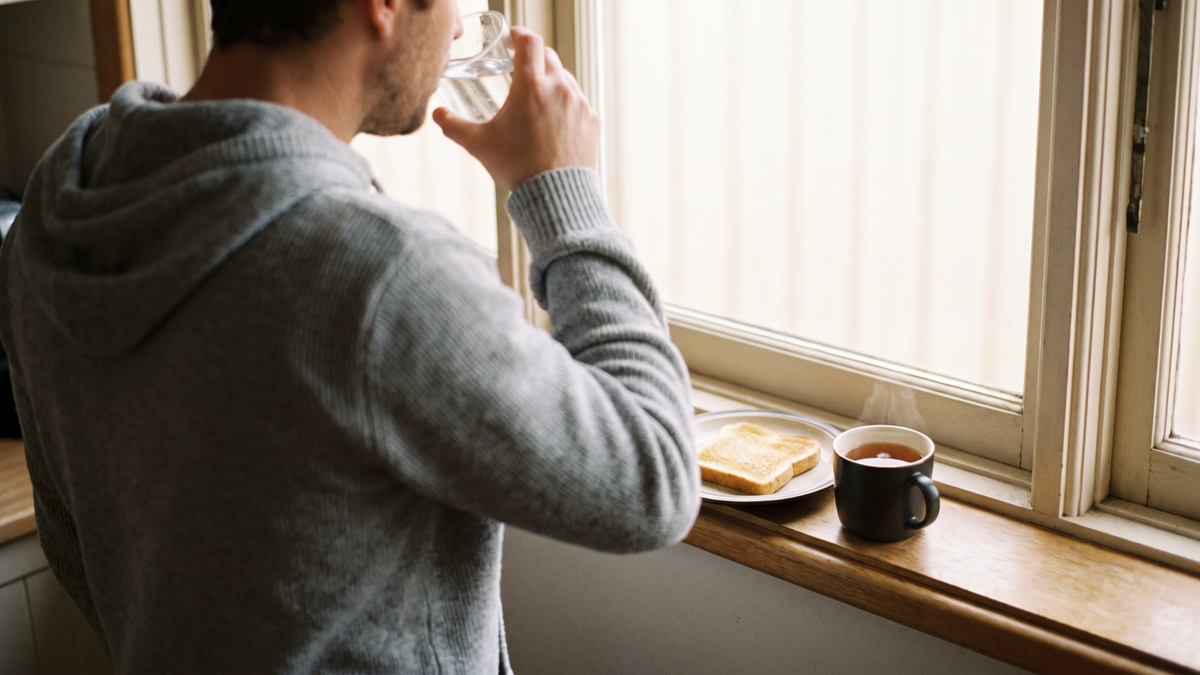
Sulphur burps come from hydrogen sulphide, a gas your gut bacteria make while breaking down sulphur-containing parts of your food. It smells like rotten eggs because that is what hydrogen sulphide smells like, whether it turns up in a burp or anywhere else. The trigger is not always one single food; it can be a mix of what you ate and how long it sat before it moved on.
If you have only just started noticing it, the question in your head is probably "is this normal", not "what is the chemistry". It is an unglamorous digestive complaint, and the first place healthdirect and the Better Health Channel both look for the smell is what you ate and how you ate it. The rest of this page walks through what is actually happening, what settles it, and the smaller number of cases worth a doctor's opinion.
Bacteria that live in your gut ferment food as a normal part of digestion, and the compounds they produce in the smallest quantities, sulphur compounds especially, are responsible for most of the smell (Better Health Channel). Hydrogen sulphide is the main sulphur-containing gas in the lower gut, where it can reach concentrations as high as roughly 1,000 parts per million (Linden, Antioxidants & Redox Signaling, 2014). The same bacteria are at work whether that gas leaves as wind or comes back up as a burp; what changes is how much time they get.
Onion and garlic are named by both healthdirect and the Better Health Channel; healthdirect adds beans and peas, and the Better Health Channel adds other legumes, Brussels sprouts and cabbage (healthdirect; Better Health Channel). None of them need to disappear from your plate: the foods that produce the most gas also carry essential nutrients, so the advice is to limit them rather than cut them out (Better Health Channel). For the fuller list of what tends to sit well and what does not, see the GLP-1 foods list.
Slower digestion is one specific reason sulphur burps can start or worsen, because food sits in the gut for longer and bacteria get more time to ferment it before it clears. Food staying in the stomach for longer than normal has a name of its own, gastroparesis (healthdirect), and a GLP-1 medicine slows gastric emptying and gut motility as part of how it works (Müller et al, Molecular Metabolism, 2019). Either way the timing changes, and timing is what the bacteria are working with.
If a medicine that slows digestion is the change, the wider list of what it can alter day to day, symptom by symptom, sits in GLP-1 side effects, and the GLP-1 digestion FAQ covers the gut-related questions in short form.
Many of the same trigger foods are also high in FODMAPs, a group of fermentable sugars that are hard to digest (healthdirect). That is one reason the smell tends to cluster around particular meals rather than showing up evenly through the week: a curry-heavy dinner with onion and garlic, or a big serve of lentils or cruciferous vegetables, hands the bacteria far more to work with than a plainer plate does. It is also why the smell can turn up for the first time after a change, whether that is a new way of eating that adds a lot more vegetables and legumes at once, or starting a medicine that slows digestion down.
What Actually Settles Sulphur Burps?
Eating slowly and chewing well is the first change healthdirect names, and cutting back on carbonated drinks, chewing gum and drinking through a straw all reduce the amount of air your stomach takes in (healthdirect). Burping itself is normal, up to 30 times a day by healthdirect's count, so the aim is the smell and the excess, not zero (healthdirect). Where food is staying in the stomach for longer than normal, healthdirect's advice is small, frequent meals, chewed well (healthdirect).
None of this is about willpower; it is about giving a slower system less to process per meal. A smaller meal hands the bacteria less to work on at once, and a slower one carries less swallowed air down with it.
Limiting the common food culprits, onion, garlic, beans and other legumes, Brussels sprouts and cabbage, is the next lever (Better Health Channel). These foods also carry essential nutrients, so the Better Health Channel's advice is to limit them rather than cut them out, and healthdirect's is to work out which foods affect you and cut back on those (Better Health Channel; healthdirect). The same logic applies to raising dietary fibre generally: add it slowly rather than all at once, because both sources warn against a sudden jump (Better Health Channel; healthdirect).
Fluid matters too. Drinking plenty of water and other fluids sits beside eating more high-fibre foods in healthdirect's standing digestive advice (healthdirect). A glass with each meal and again between meals is a simpler habit to keep than trying to catch up on fluid in one go.
For a fuller working list of what to eat and what to ease back on, see what to eat on a GLP-1 and dietary fibre on a GLP-1. For what the terms prebiotic, probiotic and postbiotic actually mean, prebiotics, probiotics and postbiotics explains the difference.
Give any one change a few days before judging it, so you are reading a pattern rather than a single meal. A short, deliberate run, smaller portions and slower eating for three or four days, the common culprits limited for the same stretch, water spread through the day, shows you more clearly what is driving it for you.
When Sulphur Burps Need a Doctor, Not a Food Swap
Diet and the pace of eating are where healthdirect and the Better Health Channel both start, and they are where to start at home. Two infections are worth knowing about because they can cause the same smell and no food swap will change them. Neither is something to self-diagnose from an article; a doctor is the only way to know what is actually happening.
Giardiasis is a gut infection, and smelly burps that may smell like eggs are one of its listed symptoms, alongside smelly diarrhoea, tummy pain, bloating and weight loss (NHS). It is diagnosed from a stool sample and treated with antibiotics; the NHS advice is to seek urgent help if diarrhoea lasts more than seven days or gets worse quickly (NHS).
Helicobacter pylori is a stomach bacterium that about 3 in every 10 Australian adults are estimated to carry, and bloating and burping are among its listed symptoms, alongside indigestion, nausea and changes to appetite (healthdirect). It is diagnosed with a breath test, blood test, stool sample or endoscopy, and treated with antibiotics plus acid-reducing medicine. The same page says to see a doctor promptly for sudden unintentional weight loss, blood in vomit or stool, difficulty swallowing, or any symptoms at all if you are over 55 (healthdirect).
Beyond those two, the same red flags apply to any digestive symptom that will not settle:
- Diarrhoea lasting more than seven days, or getting worse quickly (NHS)
- Unintentional weight loss, fever, difficulty swallowing, or blood in vomit or stool (American Family Physician)
- Severe flatulence alongside constipation, diarrhoea, vomiting, abdominal pain, bloating, weight loss or blood in your stool (healthdirect)
- Digestive symptoms starting for the first time at 55 or older (American Family Physician)
This article is general information, not medical advice. Decisions about any medication, or about symptoms that concern you, belong with your doctor.
For the wider run of what a medicine that slows digestion can change and why, GLP-1 side effects indexes each one by symptom, and side effects of GLP-1 covers the same ground by mechanism.
Nutrition While You're Eating Less
When appetite drops, for any reason, whatever you do eat has less room to carry everything your body needs, and that gap is worth covering regardless of why appetite dropped. Food-first is the right starting point, but food-first is not covering most people even at a normal appetite: over 90% of Australian adults do not meet dietary guidelines (AIHW). A smaller appetite narrows the same gap further, which is the argument for nutritional insurance underneath a food-first approach, never in place of it.
More on what nutrition looks like while intake is down: nutrition support while you are eating less.
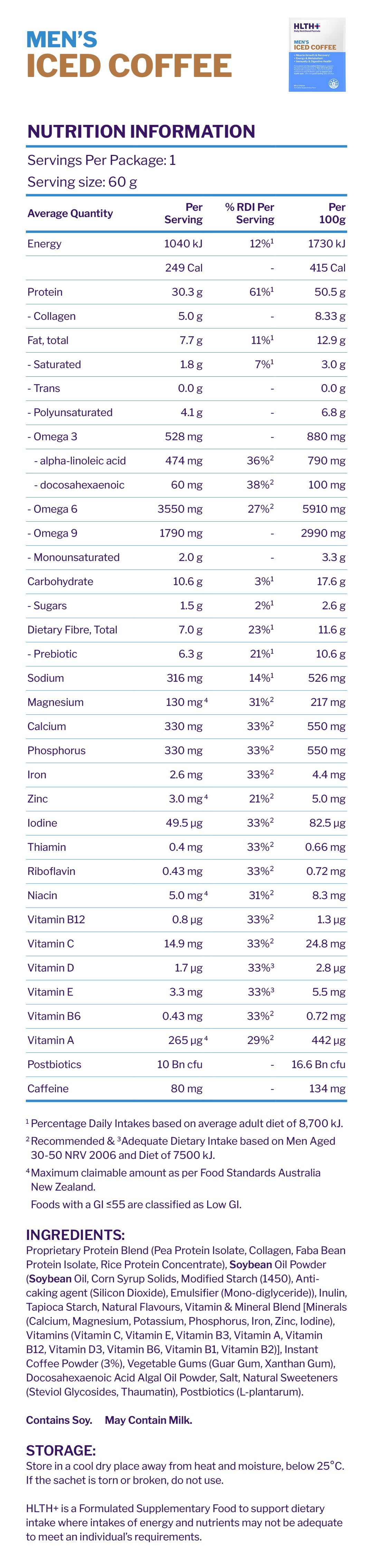
HLTH+ is an Australian-owned and made Formulated Supplementary Food under the FSANZ Food Standards Code, dietitian-formulated by life stage (Women's, Women's 50+, Men's and Men's 50+) to the Nutrient Reference Values published by the National Health and Medical Research Council, the Australian Government Department of Health and Ageing and the New Zealand Ministry of Health. Each 55g sachet carries 30g protein and 7g dietary fibre, part of 30 essential daily nutrients in total, and protein contributes to the maintenance of muscle mass as part of a healthy diet involving a variety of foods. It is not designed as a meal replacement, because it is built to complement a food-first approach; it works well as a healthy snack or to tie you over when a full meal is not on the table.
RRP $6.00, or $5.10 a day on the 28-serve subscription. Sold at hlthplus.com, and through Amazon AU and Chemist Warehouse.
Want to know where your current routine falls short? The ✦ Find My Formula quiz takes about 30 seconds and shows what your current supplement stack is not giving you.
Frequently Asked Questions
What causes sulphur burps?
Sulphur burps come from hydrogen sulphide, a gas gut bacteria produce while fermenting sulphur-containing foods such as onion, garlic, beans and cruciferous vegetables. Slower digestion, whether from food staying in the stomach longer than normal or from a medicine that slows gastric emptying, gives bacteria more time to make it (Better Health Channel; Linden, 2014).
Are sulphur burps a sign of something serious?
Diet and the pace of eating are the causes healthdirect and the Better Health Channel point to, and they are where to start. Burps that persist, worsen or come with diarrhoea lasting more than seven days are worth a doctor's opinion, since giardiasis and Helicobacter pylori can cause the same smell (NHS; healthdirect).
Which foods make sulphur burps worse?
Onion and garlic are named by both healthdirect and the Better Health Channel; beans, peas and other legumes, Brussels sprouts and cabbage are on the lists too (healthdirect; Better Health Channel). None need to disappear from your plate: these foods also carry essential nutrients, so the advice is to limit them rather than cut them out.
Can eating less cause sulphur burps?
Eating less is not itself a listed cause. The named causes are the foods bacteria ferment and the way you eat (healthdirect; Better Health Channel), plus anything that slows digestion, including a medicine that slows gastric emptying, which gives bacteria more time (Müller, 2019). Smaller, slower meals and steady fluids are the practical response.
When should I see a doctor about sulphur burps?
See a doctor if the burps persist despite the changes above, or come with diarrhoea lasting more than seven days, unintentional weight loss, fever, difficulty swallowing, or blood in vomit or stool, or if any digestive symptom starts for the first time at 55 or older (NHS; healthdirect; American Family Physician). Never wait if you are unsure.

Leave a comment
This site is protected by hCaptcha and the hCaptcha Privacy Policy and Terms of Service apply.