

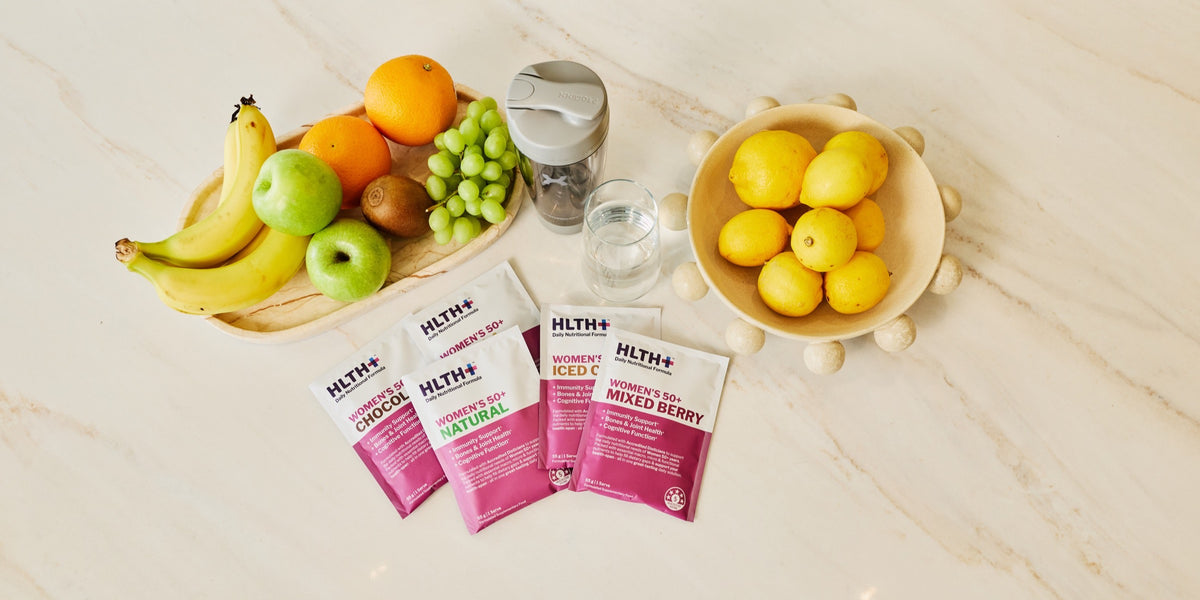
Why a GLP-1 food list looks different
A GLP-1 food list is a priority order, not a diet plan. In controlled testing, GLP-1 medication cut free-choice food intake by roughly a quarter across the day, and about 35% at lunch (Blundell et al, 2017). When three-quarters of your old intake has to do the whole job, the question stops being what to avoid and becomes what earns a place.
This page is the practical Australian answer: what to put in the trolley, aisle by aisle, organised by what a smaller appetite needs first. Protein leads, dietary fibre follows, and micronutrient density decides everything else. If you want the day-by-day eating pattern rather than the shopping list, learn more at What to Eat on a GLP-1.
General information, not medical advice. Decisions about GLP-1 medicines belong with your doctor.
The three jobs your trolley has to do
Job one: protein at every meal. Protein contributes to the maintenance and growth of muscle mass and to tissue repair, and it is the first nutrient squeezed when meals shrink. A small plate without a protein anchor is the most common trolley mistake on a GLP-1. Protein on a GLP-1: How Much and Why covers the numbers.
Job two: dietary fibre, every day. GLP-1 users in a 2025 study averaged 14.5g of fibre a day against the 28g recommendation (Frontiers in Nutrition, 2025); a second 2025 study found not a single user met the target. Fibre contributes to regular laxation, and it arrives almost entirely through food choices, which makes the pantry aisle a health decision. Dietary Fibre on a GLP-1: The 14.5g Problem runs the maths.
Job three: micronutrient density in every serve. The Australian baseline is not a high bar: over 90% of adults do not meet dietary guidelines (AIHW), and fewer than 1 in 20 eat the recommended vegetable serves (ABS). Eating a quarter less does not lower that bar, it raises it, because the same nutrient needs now have to travel in fewer bites.
A food that does two of these jobs at once goes to the top of the list. That is the logic behind every aisle below.
The Australian food list, aisle by aisle
Shop the edges of the store first: the fridge wall, the seafood counter, the produce section. The middle aisles matter for exactly two things on this list, legumes and wholegrains, and the rest of the middle is where a small appetite gets spent on foods that do none of the three jobs.
The fridge and deli: protein anchors
- Eggs. Small volume, real protein, endlessly flexible; a couple of boiled eggs is the easiest protein snack in the shop.
- Greek yoghurt and cottage cheese. Protein-dense spoonable foods that still work on days when a full meal does not appeal.
- Chicken and turkey. Poach or roast once, then portion across several small meals through the week.
- Lean beef, lamb and pork. Denser protein per bite; choose smaller cuts to suit smaller serves.
- Tofu and tempeh. Plant-based anchors that carry flavour well and portion neatly.
- Hummus. A protein-carrying spread that upgrades vegetable sticks and wholegrain crackers from filler to food.
The seafood counter and the tinned-fish shelf
- Tinned tuna and tinned salmon. Shelf-stable protein in single-serve portions; salmon with the soft bones included is one of the easiest calcium pickups in the shop, and calcium plays its part in normal teeth, bones and muscle function.
- Frozen fish fillets. A ten-minute protein anchor with no waste when appetite is unpredictable.
- Prawns. Quick to cook and easy to eat in small amounts.
The pantry: legumes and wholegrains, the double-duty aisle
- Tinned lentils, chickpeas and bean mixes. The list's overachievers: protein and dietary fibre in the same item, ready in the time it takes to drain a tin.
- Rolled oats and barley. Fibre-forward breakfasts that hold a small appetite through the morning.
- Wholegrain bread, brown rice and quinoa. Straight swaps for the white versions; same habit, more fibre in the serve.
- Nuts and seeds. Dense nutrition in tablespoon quantities, built for appetites that fill fast.
Fresh, frozen and tinned: vegetables and fruit
- Frozen vegetables. They count. Snap-frozen close to harvest, no chopping, no waste, and a smaller appetite wastes fresh produce quickly.
- Cooked and roasted vegetables over big raw salads. Cooking shrinks volume, so more vegetable fits inside a small appetite.
- Berries, kiwifruit and citrus. Fruit that delivers without demanding much room.
- Tinned tomatoes and no-added-salt tinned vegetables. Pantry staples that make dense one-pot meals easy.
The dairy fridge and alternatives
- Milk and yoghurt. Calcium carriers that double as easy protein between meals.
- Fortified plant milks. If dairy is out, check the label for added calcium; fortification varies widely between brands.
- Cheese. In small amounts, a dense way to top up a light day.
Fluids
- Water first. Smaller meals mean less fluid arrives through food, so drinking has to make up the difference.
- Soups and broths. Food and fluid in one, and often the easiest way to take vegetables and protein on a low-appetite day.
- Go easy on fizzy drinks. Carbonation takes up room a small appetite cannot spare.
What gets harder to fit in
The hardest foods on a GLP-1 are not the treats, they are the bulky ones. Big raw salads, large servings of plain vegetables and high-volume wholegrain dishes fill a smaller appetite before they feed it. The fix is density: cooked vegetables over raw, legumes over leaves, smaller wholegrain serves rather than none at all.
The other struggle is what sits badly. A GLP-1 medicine slows gastric emptying and gut motility, so heavy, fried and very sugary foods commonly sit poorly and can swing blood sugar sharply. Most people learn this by experience; the list above is built from what tends to keep working.
The wider playbook of meal structure and portioning lives in The GLP-1 Diet. For what changes nutritionally when intake drops, learn more at the GLP-1 nutrition support page.
General information, not medical advice. If eating stays difficult, or any symptom persists, talk to your doctor.
The one-trolley version
| Aisle | Put in the trolley | The job it does |
|---|---|---|
| Fridge and deli | Eggs, Greek yoghurt, cottage cheese, chicken, tofu | Protein anchors for every meal |
| Seafood and tinned fish | Tinned tuna, tinned salmon, frozen fillets | Portable protein, plus calcium from salmon with bones |
| Pantry legumes | Tinned lentils, chickpeas, bean mixes | Protein and dietary fibre in one item |
| Grains | Rolled oats, barley, wholegrain bread, brown rice | The daily fibre base |
| Produce, fresh and frozen | Frozen vegetables, berries, citrus | Micronutrient density without bulk |
| Dairy fridge | Milk, yoghurt, fortified alternatives | Calcium and easy protein |
| Drinks | Water, soups, broths | Fluids a small appetite can carry |
Do you need supplements as well as food?
Food first is the right instinct, and everything above is built on it. The honest caveat is that the statistics say food alone was not covering most Australians even before anyone's appetite shrank. When intake then drops by roughly a quarter, the gap between what the diet delivers and what the body needs widens further.
This is where a Formulated Supplementary Food under the FSANZ Food Standards Code fits: nutritional insurance alongside the trolley, not instead of it. HLTH+ is an Australian-owned and made daily nutritional formula; per serve it carries 30g protein, 7g dietary fibre, 5g collagen, 10 billion CFU Lactobacillus Plantarum Postbiotic plus prebiotics, 60mg DHA and a balanced multivitamin profile. In total, each serve delivers 30 essential daily nutrients. It makes no claim to raise GLP-1 and no claim to cause weight loss; its job is supporting nutrition while you eat less.
Rather than one formula built for an average adult, HLTH+ is dietitian-formulated to the Nutrient Reference Values set by the National Health and Medical Research Council, the Australian Government Department of Health and Ageing and the New Zealand Ministry of Health, in life-stage versions (Women's, Women's 50+, Men's, Men's 50+) at RRP $6.00. It is sold at hlthplus.com and through Amazon AU and Chemist Warehouse online. The ✦ Find My Formula quiz takes 30 seconds and shows what your current stack is missing.
For context against the broader shelf, published labels tell the story.
| Product | Category | Protein per serve (published label) |
|---|---|---|
| HLTH+ | Life-stage daily nutritional formula (food, FSANZ) | 30g |
| The Man Shake | High-protein shake | 30g per 56g serve |
| The Lady Shake | High-protein shake | 30.2g per 56g serve (Chocolate; 28.4 to 30.2g across flavours) |
| AG1 (Athletic Greens) | Greens powder | 2g per 13g serve |
| Vital All-In-One | Greens powder | No total protein line published; ingredient line lists 1g pea protein isolate per 10g serve |
Figures are each brand's published nutrition information, retrieved 2 September 2026 (AG1: own published label, retrieved 2 September 2026); flavours vary and brands reformulate; check current labels before buying.
Greens powders are micronutrient products and their own labels say so; the mistake is expecting one to cover protein. High-protein shakes match on the protein line, and the rest of the panel (dietary fibre, sugar, micronutrient breadth) is where labels diverge, so compare the full panel rather than one number.
Who this list is for
Just started, and appetite dropped fast. Build the protein anchors in first, and do not fight the smaller portions; make each one denser instead.
Months in, running on repeat meals. Rotate through the double-duty pantry aisle. Legumes and tinned fish break the monotony without demanding appetite you do not have.
Cooking for a household while eating a quarter less. Cook the family meal as usual, anchor your own smaller plate around its protein, and let soups and one-pot dishes stretch across both jobs.
Frequently Asked Questions
What foods should GLP-1 users prioritise?
Protein first at every meal: eggs, Greek yoghurt, fish, chicken, tofu and legumes. Then dietary fibre from oats, wholegrains, legumes, vegetables and fruit, because GLP-1 users averaged 14.5g a day against the 28g recommendation in a 2025 study. Micronutrient-dense choices fill out the rest of a smaller intake.
Which foods are hardest to fit in on a GLP-1?
Bulky, low-density foods: big raw salads, large servings of plain vegetables and high-volume wholegrain dishes, because they fill a smaller appetite before they feed it. Heavy, fried and very sugary foods also commonly sit poorly, because GLP-1 medicines slow gastric emptying. Choose cooked vegetables, legumes and smaller wholegrain serves instead.
Are frozen and tinned foods as good as fresh?
For this job, yes. Frozen vegetables are snap-frozen close to harvest, and tinned legumes and tinned fish keep their protein and dietary fibre while cutting preparation to minutes. On a small appetite the best food is the one that actually gets eaten, so convenience is a nutrition strategy, not a compromise.
Do you need supplements as well as food?
Food comes first, and a well-built trolley covers a lot. The statistics say food alone was not covering most Australians even before appetite shrank: over 90% of adults do not meet dietary guidelines (AIHW). A Formulated Supplementary Food such as HLTH+, with 30g protein and 7g dietary fibre per serve, supplements the diet while you eat less.
This article is general information, not medical advice. Decisions about GLP-1 medicines belong with your doctor.
Leave a comment
This site is protected by hCaptcha and the hCaptcha Privacy Policy and Terms of Service apply.