

Which foods carry the most magnesium?
Magnesium-rich foods include pumpkin seeds, almonds, beans, cooked spinach and whole grains. Build them into meals you already eat rather than relying on one large serving. Compare the amount you will actually eat, since a spoonful of seeds and a bowl of beans are very different portions.
A search can leave you with a shopping list that looks useful but no clear way to use it. You might already eat several foods on that list, just in portions smaller than the table assumes.
Below are food amounts with their serving sizes, practical meal combinations and the checks that make a magnesium-focused shopping trip worthwhile.
On this page:
- Reading a food table without confusing portions.
- Breakfast, lunch and dinner combinations.
- Smaller appetites and other nutrients.
- Label checks and daily nutrition.
- Common questions about magnesium foods.
What does a useful magnesium food table show?
The US National Institutes of Health magnesium fact sheet lists the following amounts. These are reference food values, not laboratory results for Australian supermarket products; the US household measures are retained so the numbers are not silently transferred to different portions.
| Food and preparation | Reference portion | Magnesium |
|---|---|---|
| Pumpkin seeds, roasted | 1 ounce, approximately 28g | 156mg |
| Almonds, dry roasted | 1 ounce, approximately 28g | 80mg |
| Spinach, boiled | Half a US cup | 78mg |
| Black beans, cooked | Half a US cup | 60mg |
| Edamame, shelled and cooked | Half a US cup | 50mg |
| Brown rice, cooked | Half a US cup | 42mg |
| Banana | One medium banana | 32mg |
| Whole-wheat bread | One slice | 23mg |
The same reference lists white rice at 10mg for half a US cup, illustrating why the grain choice can matter. Food variety, preparation and portion size all affect the amount on your plate.
This is a food-planning table, not a ranking of everything a food offers. You do not have to choose the first row at every meal, and the numbers do not mean that every Australian brand or cultivar carries exactly the same amount.
Keep the distinction between dry and cooked food visible. A shopping bag of dry beans is not interchangeable with the same weight after soaking and cooking, and a packet of uncooked rice should not be entered into a calculation as cooked rice.
For questions about capsule forms rather than groceries, the separate magnesium supplement explainer covers that decision. This page stays with the food you can put on the table.
How do you turn the numbers into meals?
Start with one meal you repeat. Keep its familiar format and change one ingredient, so you can tell whether the new choice is convenient enough to repeat.
A toast eater could choose a wholegrain loaf and add a nut spread. Someone who likes a rice bowl could include cooked beans beside the rice, while a person who prefers eggs could serve cooked greens on the side.
The practical test is not whether the meal looks like a nutrition photograph. It is whether the ingredients are available, fit your budget and get eaten rather than remaining in the fridge at the end of the week.
Use this order when adapting a meal:
- Write down the food you usually prepare.
- Select one magnesium-containing addition or substitution.
- Choose a portion you expect to finish.
- Note whether the food needs cooking, refrigeration or preparation.
- Repeat it before buying ingredients for several new meals.
A large bag can be economical only if you use it. For an unfamiliar food, a small packet or a single tin may be the better first purchase, even when its price per kilogram is higher.
Keep protein in the picture as you make these changes. Better Health Channel's protein information identifies legumes, nuts and seeds among protein-containing foods, alongside eggs, dairy, fish and meat; a meal can serve more than one nutritional purpose.
If breakfast is the easiest place to begin, these high-protein breakfast options provide different starting formats. Choose the format first, then work out where a magnesium food fits.
What could a magnesium-focused breakfast look like?
Oats with fruit and a measured spoonful of seeds is one option. Wholegrain toast with nut butter is another, and savoury breakfast eaters can add cooked spinach or beans to their usual plate.
These are combination ideas, not tested recipes with fixed nutrient totals. The oats, bread, spread and portions you select determine what the finished meal contains.
Avoid giving toppings the whole job. A light scatter of seeds can be a useful addition, but it does not deliver the same amount as the reference portion in the table, and a decorative leaf is not half a cup of cooked spinach.
For busy mornings, assemble the dry ingredients in a container and keep refrigerated ingredients separate until needed. Choose a container that suits the amount you want to eat, rather than filling the largest bowl in the cupboard because it is there.
A shared household can use the same breakfast base with different additions. Put seeds, fruit and spreads on the table individually so preferences and allergy needs are easier to accommodate.
When buying a new loaf or cereal, read the ingredient list and nutrition panel together. Food Standards Australia New Zealand explains that per-100g information helps compare similar foods, while per-serving information relates to the manufacturer's chosen portion.
For a breakfast you drink rather than spoon, see how to build a breakfast smoothie. Measure additions there too; a handful is convenient language but a poor basis for a precise nutrient claim.
How can lunch and dinner contribute?
A useful lunch structure is a grain or bread base, a protein food and vegetables, with beans or seeds added where they suit the dish. You can retain the meal you enjoy while making its ingredients more varied.
For example, a leftover roast-vegetable bowl can take cooked lentils or beans. A sandwich can use wholegrain bread, while a rice dish can include edamame or a serving of greens without becoming an entirely new recipe.
Choose the form that matches your cooking time:
- Canned legumes work when soaking and cooking are unrealistic.
- Frozen shelled edamame can be portioned according to its cooking directions.
- Fresh or frozen spinach can be cooked as needed.
- Dry grains suit batch cooking when you have a storage plan.
- Seeds can stay separate until serving if you prefer their texture that way.
Read preparation instructions on each packet. Some foods are ready to eat after opening, others require cooking, and the presence of a healthy-sounding ingredient does not tell you which applies.
There is no requirement to turn every meal into a giant salad. A warm bowl, soup, toast plate or small cooked dinner may fit your routine more comfortably; the ingredient choices are what you are planning.
Our high-protein snack list can help when lunch is split into smaller eating occasions. Keep the distinction between an intentional small meal and repeatedly missing meals because food feels difficult.
Why look beyond magnesium alone?
Starck and colleagues' 2024 Australia and New Zealand research identified six highest-priority nutrients across the total population: vitamin D, calcium, omega-3 fatty acids, magnesium, folate and dietary fibre. The work used nutrition-survey information, health priorities and a scoring method; it was not a trial of a food product.
Its practical relevance is breadth. A shopping plan built around a single mineral may still leave other food groups out, so keep asking what else the day's meals provide.
For example, adding seeds does not answer whether you eat calcium-containing foods. Changing the bread does not answer whether your total diet includes enough protein or whether you have removed several foods without replacing them.
Make a short shopping checklist by food role rather than supplement trend:
- A protein food for the meals you actually prepare.
- Vegetables and fruit you enjoy eating.
- A grain or starchy food that suits the dish.
- Milk, yoghurt or an appropriate alternative.
- Nuts, seeds or legumes you will use during the week.
This is a practical planning prompt, not a personal diet assessment. Someone with a restricted diet, ongoing poor appetite or a clinician-set food plan may need a more individual approach.
The calcium explainer looks at a different part of that picture. For the broader dietary context when portions are shrinking, explore nutrition with a reduced appetite.
What changes when your appetite is small?
Plan foods you can portion without preparing a separate meal from scratch. A little cooked grain, a separately stored protein food and a vegetable side let you assemble what feels manageable at the time.
Avoid deciding that a smaller appetite means every food should be the lowest-calorie option. Your food routine still has to cover different nutritional needs, and the best plan depends on why your intake has changed.
It can help to record what you actually eat for a few ordinary days. Include drinks, missed meals and the portions left behind; a dietitian can use that information more effectively than a list of foods you intended to eat.
Ongoing loss of appetite, unexplained weight change or difficulty eating deserves professional advice. Food tables cannot identify the reason, and symptoms alone cannot tell you whether your magnesium status is low.
If you have kidney disease or a prescribed dietary restriction, discuss major dietary or supplement changes with your clinician. A general list of magnesium foods does not replace the instructions for your circumstances.
Where does HLTH+ fit into daily nutrition?
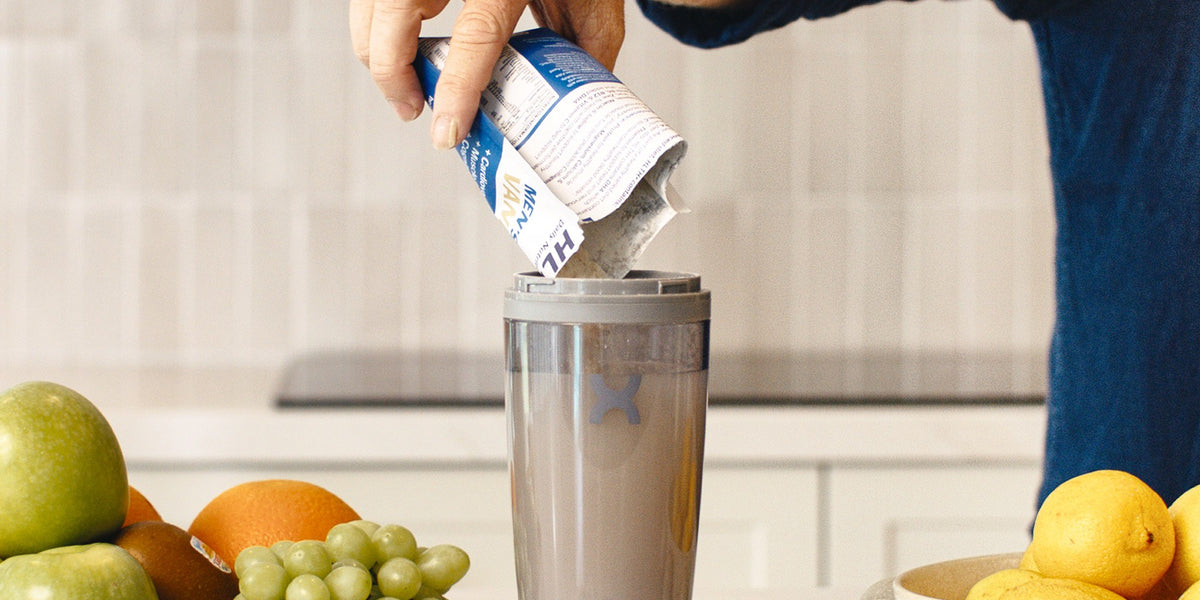
HLTH+ is a Formulated Supplementary Food intended to complement dietary intake. It provides 30g protein per serve. The serving also contains 7g dietary fibre, making its role broader than choosing a food for magnesium alone.
The verified Women's Vanilla panel declares 106mg magnesium in a 55g serve. That number belongs to that formula and serving, so it should not be copied across to other products or treated as a personalised daily target.
The Women's and Women's 50+ formulations are aligned with the Nutrient Reference Values developed by the National Health and Medical Research Council, the Australian Government Department of Health and Ageing, and the New Zealand Ministry of Health. Formula selection belongs alongside your overall food routine, not in place of it.
Keep the magnesium-rich foods you enjoy on the shopping list. For an overview of the nutrients your supplement routine may leave out, use the Find My Formula quiz.
This article is general information, not medical advice. Decisions about any medication belong with your doctor.
Frequently Asked Questions
Are bananas the best food for magnesium?
Bananas contain magnesium, but they are not the highest entry in the reference table. A medium banana supplies 32mg in the NIH data, while a reference portion of roasted pumpkin seeds supplies more. Choose foods for the whole meal and the portion you enjoy, rather than a single ranking.
Do I need to count magnesium in every meal?
Most people do not need to turn everyday eating into a mineral spreadsheet. A varied routine that includes legumes, nuts, seeds, whole grains and vegetables is a practical starting point. If you have a diagnosed deficiency or a restricted diet, use the approach your clinician or dietitian recommends.
Can I use the same food value for raw and cooked ingredients?
Use the value that matches the food's preparation and the portion weighed. Dry rice, cooked rice, raw spinach and boiled spinach are different entries because preparation changes their weight and water content. If an exact total matters, use a matching food-composition entry rather than substituting the nearest name.
Does a magnesium-rich diet mean I can change my supplements?
A food list does not establish whether you should change a prescribed supplement. Bring your current products, doses and a typical food record to your pharmacist, doctor or dietitian. They can assess the combined intake and your circumstances, including medical conditions or medicines that affect the advice.
Leave a comment
This site is protected by hCaptcha and the hCaptcha Privacy Policy and Terms of Service apply.